

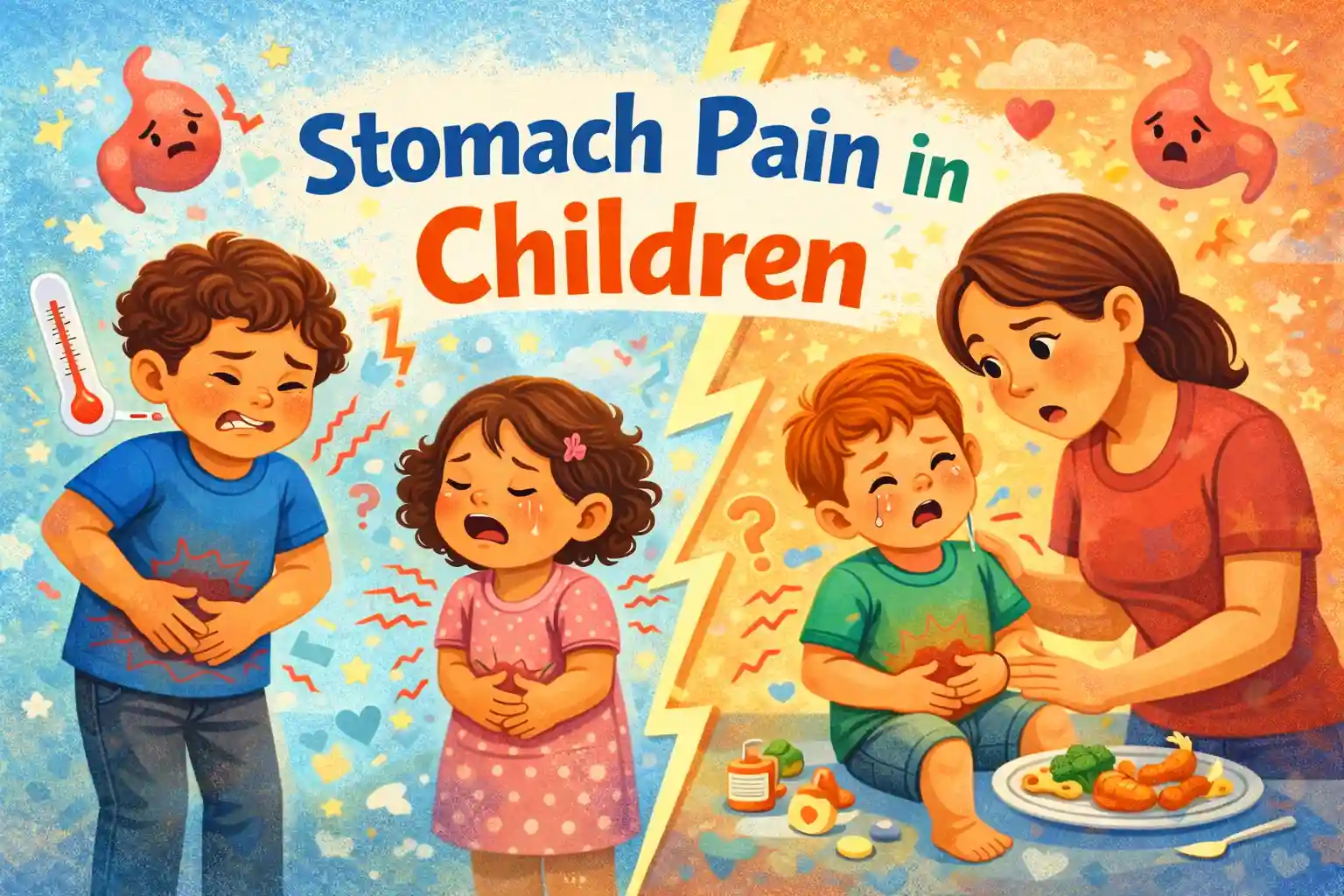
Stomach pain is one of the most common reasons Spokane parents become concerned about their child’s health. From mild tummy aches after meals to sudden pain that stops a child from playing or sleeping, it can be difficult to know when stomach pain in children is normal and when to worry. Many families search for guidance because abdominal pain can have many causes, ranging from simple gas to conditions that need medical care.
For parents in Spokane, understanding warning signs helps avoid unnecessary stress while ensuring children receive timely care when needed. Pediatric urgent care and pediatricians see stomach pain often and know how to tell the difference between mild discomfort and serious concerns. This guide explains common causes, what symptoms are usually mild, and when stomach pain should prompt medical evaluation so parents can act with confidence.
What Causes Stomach Pain in Children?
There are many reasons children experience stomach pain, and most are not serious. Common causes include indigestion after eating too quickly, gas buildup, constipation, or viral stomach infections often called stomach flu or gastroenteritis. These issues are especially common during school months in Spokane, when viruses spread easily. Some children experience functional abdominal pain, which means the pain is real but not caused by an underlying disease. Stress, anxiety, or changes in routine can play a role.
Other times, stomach pain may suggest food intolerance, such as lactose sensitivity, or an infection affecting the digestive tract. Pediatric abdominal pain symptoms can also be linked to urinary infections or throat infections in younger children. Because children may struggle to describe pain clearly, pediatric providers focus on patterns, duration, and associated symptoms to identify the cause accurately.
Common causes include
- Gas or constipation
- Viral stomach infections
- Food intolerance or sensitivity
- Stress-related pain
When Is Stomach Pain Normal or Mild?
Mild stomach pain is common in children and often improves on its own. Pain that is brief, comes and goes, or improves after passing gas or having a bowel movement is usually not a concern. Many children experience discomfort after eating certain foods, overeating, or eating too fast. Bloating and indigestion can also cause temporary pain without serious illness. Mild constipation can lead to cramping that eases once stools pass.
Parents should observe how long the pain lasts and whether the child remains active, alert, and able to drink fluids. Normal patterns include pain that does not stop play for long or improve with rest. Spokane parents should note repeated episodes, pain lasting several days, or pain that interferes with sleep, as these patterns may need evaluation even if symptoms seem mild at first.
Usually mild signs
- Short-lasting pain
- Normal appetite or activity
- Relief after rest or bathroom use
Red Flags for Serious Stomach Pain
Some symptoms suggest stomach pain in children may be serious and should not be ignored. Pain that is severe, constant, or worsening over time is a major concern. Pain located in specific areas, especially the lower right side of the abdomen, may signal conditions like appendicitis. Parents should also watch for accompanying symptoms such as fever, vomiting blood, bloody stools, green or yellow vomit, or signs of dehydration.
Changes in behavior, such as extreme fatigue, confusion, or refusing to move due to pain, are also warning signs. Unexplained weight loss or ongoing pain lasting more than a few days requires evaluation. Pediatric providers look at these abdominal pain warning signs carefully to rule out serious causes. Recognizing these red flags early helps Spokane families seek care before complications develop.
Red flags include
- Pain that worsens or won’t ease
- Fever with stomach pain
- Blood in vomit or stool
- Severe tenderness to touch
Signs You Should Seek Immediate Care or ER Evaluation
Some situations require immediate medical attention or an emergency room visit. Severe stomach pain that does not improve or suddenly becomes intense should be evaluated right away. Vomiting that does not stop, especially green or bile-colored vomit, can indicate a serious problem. Signs of dehydration, such as very few wet diapers, no tears when crying, dry mouth, or extreme thirst, need urgent care.
Trouble breathing, confusion, or extreme fatigue alongside stomach pain are emergency symptoms. Sudden swelling of the abdomen or pain following a fall or injury also requires prompt evaluation. Knowing when to go to the ER for child stomach pain helps parents act quickly and avoid delays. When in doubt, seeking medical care is always safer than waiting with severe symptoms.
Seek immediate care if your child has
- Persistent or intense pain
- Green or non-stop vomiting
- Dehydration signs
- Injury-related abdominal pain
How Pediatricians and Urgent Care Providers Evaluate Stomach Pain
When a child arrives with stomach pain, pediatricians and pediatric urgent care providers focus on careful evaluation to identify the cause. They begin by asking parents detailed questions about when the pain started, where it is located, how severe it feels, and whether it comes and goes or stays constant. Providers also ask about recent illnesses, bowel habits, appetite, fever, vomiting, or recent injuries.
A physical exam follows, which includes gently checking the abdomen for tenderness, swelling, or guarding. Observation of how a child moves, walks, and reacts during the exam offers important clues. In some cases, labs or imaging such as urine tests or X-rays may be needed. This process helps differentiate common stomach pain causes from serious conditions during a child stomach pain evaluation.
Home Care Tips for Mild Stomach Pain in Children
When stomach pain is mild and a child remains active and alert, supportive care at home is often safe. Hydration is the first priority, especially if nausea or diarrhea is present. Small, frequent sips of water or oral rehydration fluids help prevent dehydration. Gentle diet adjustments can ease discomfort, such as offering bland foods like bananas, rice, applesauce, and toast while avoiding greasy or heavy meals.
Rest allows the digestive system time to recover, and light activity can help with gas-related discomfort. A warm compress or heating pad on the abdomen may offer relief for cramping, but should be used carefully and briefly. Spokane parents should monitor symptoms closely and seek care if pain worsens or does not improve within a short time.
Helpful home care steps
- Encourage fluids
- Offer bland foods
- Allow rest
- Use gentle heat
How Stomach Pain in Children Is Treated by Pediatric Care
Treatment for stomach pain depends on the cause and severity of symptoms. Pediatric care often begins with hydration support to replace lost fluids and prevent dehydration. For constipation or gas, providers may recommend dietary changes or gentle remedies to help bowel movement regularity. Viral gastroenteritis is commonly managed with rest, fluids, and symptom monitoring rather than medication.
Pediatricians may prescribe medication when infection, inflammation, or other treatable conditions are identified. In some cases, referral to a specialist or further testing is needed if pain continues or worsens. Pediatric urgent care plays a key role in managing sudden stomach pain that cannot wait for an office visit. Spokane families benefit from care that focuses on symptom relief while watching closely for signs that need follow-up.
Common treatments include
- Fluid support
- Diet adjustments
- Symptom monitoring
- Medication when needed
Preventing Stomach Pain and Keeping Kids Healthy in Spokane
Preventing stomach pain starts with daily habits that support digestive health. Regular meal routines, balanced nutrition, and adequate fiber help reduce constipation and discomfort. Encouraging children to drink enough water throughout the day supports digestion and overall health. Teaching proper hand washing helps prevent viral infections that cause stomach illness, especially during school seasons in Spokane. Parents should watch for early warning signs such as changes in appetite, bowel habits, or energy levels.
Scheduling pediatric follow-up visits allows providers to address recurring symptoms before they worsen. Staying informed about when to seek care helps families respond early and avoid complications. With healthy routines and timely pediatric support, Spokane parents can help reduce stomach pain and keep children feeling well year-round.