
Ear Infection Symptoms in Children: What Spokane Parents Should Watch For
Ear infections are one of the most common reasons parents in North Spokane and the Greater Spokane area call their child’s doctor or visit urgent care. Because symptoms can show up quickly, it helps to know what is normal, what is worrisome, and when it is time to have a pediatric provider check your child’s ears.
In this guide, you will learn the most important ear infection symptoms in children, how those symptoms can look different by age, and when to come to a pediatric urgent care clinic in Spokane. We will also walk through simple comfort measures, treatment options, and prevention tips that fit everyday family life.
What Is a Pediatric Ear Infection?
A pediatric ear infection usually means a middle ear infection, which doctors call acute otitis media. The middle ear sits just behind the eardrum, and when that space fills with infected fluid, it causes pressure and pain.
Ear infections are especially common in babies and younger children because their eustachian tubes are shorter, narrower, and more likely to clog after a cold or allergy flare. When these tiny tubes do not drain well, fluid gets trapped behind the eardrum and germs can grow.
In Spokane, many ear infections follow seasonal viruses such as colds, flu, and RSV that spread through homes, schools, and daycares. Parents often notice symptoms in the fall and winter, when children spend more time indoors and viruses pass around more easily.
Early Ear Infection Symptoms in Children
Classic Signs Spokane Parents Notice First
One of the first signs of an ear infection is ear pain, often called an earache. Children may complain that one ear hurts or that both ears feel sore, especially when they are lying down.
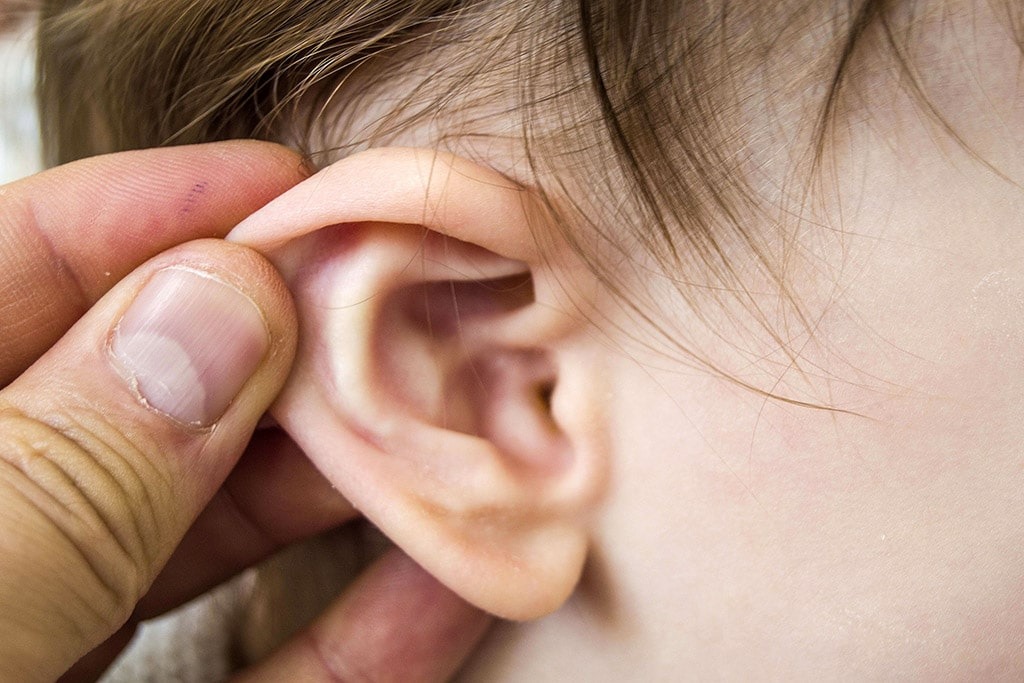
Babies and toddlers cannot always say “my ear hurts,” so they show discomfort in other ways. Many start tugging, pulling, or rubbing at one or both ears more than usual, particularly when they are tired or trying to fall asleep.
You might also see more fussiness or crying, even when your child is fed, changed, and otherwise comfortable. Trouble sleeping is very common, because lying flat increases pressure in the middle ear and makes pain feel stronger.
Other Ear Infection Symptoms to Watch For
Along with pain, many children with ear infections develop a fever. For some kids the temperature stays low, while others may spike higher fevers, especially early in the infection.
Parents sometimes notice fluid draining from the ear, which may look yellow, white, or slightly bloody. This drainage can mean there is a small tear in the eardrum, usually from built‑up pressure, and it deserves prompt medical attention.
Because fluid in the middle ear affects how sound moves, children might seem like they are not hearing as well. They may turn the TV louder, ask “what?” more often, or seem slow to respond to quiet sounds. Some kids feel off balance or dizzy, since the inner ear helps with balance too.
Older children can also complain about a feeling of fullness or pressure in the ear, even when pain is not severe. They may say things sound “muffled” or “under water” when fluid is trapped behind the eardrum.
How Symptoms Differ by Age
In babies and toddlers, symptoms are usually more subtle and behavior‑based. You may see ear pulling, crying during feeds, refusing the breast or bottle, and frequent night waking that seems out of character for your child. Many also have a lower appetite, since sucking and swallowing can increase ear pressure and pain.
Preschoolers and school‑age kids tend to describe their symptoms more clearly. They might report sharp or throbbing ear pain, trouble hearing the teacher in class, or a “plugged” feeling in one ear. Some notice headaches or seem clumsy when running and playing.
Is It an Ear Infection or Just a Cold?
Most ear infections in children start with a simple cold. In the first few days, your child might have a runny nose, congestion, cough, and a mild fever. At this stage, it can be hard to tell whether the ears are involved.
As the cold goes on, fluid can build up behind the eardrum, creating a perfect place for germs to grow. When this happens, parents often see new ear pain, ear tugging, higher fever, or changes in hearing. These shifts are clues that a cold may have turned into a middle ear infection.
Sometimes, it is safe to watch mild symptoms at home for a short period, especially in older children who are otherwise healthy. If your child has mild ear pain, low fever, and is drinking fluids and acting fairly normal, your pediatrician may suggest observation for 24 to 48 hours. During that time, close monitoring is important, and parents should be ready to seek care if symptoms worsen.
Because symptoms can change quickly, Spokane Pediatric Urgent Care offers convenient walk‑in visits when you feel unsure or cannot wait for the next office appointment. This option is especially helpful for families in north Spokane, Mead, and Spokane Valley who notice worsening symptoms in the evening or on weekends.
When to Worry About a Child’s Ear Infection
Red‑Flag Symptoms Requiring Prompt Care
Some symptoms mean your child should be seen by a doctor right away. A high fever, especially above about 102°F, can be a warning sign and deserves urgent evaluation.
Severe ear pain that does not improve with over‑the‑counter pain medicine is another red flag. If your child seems very uncomfortable, cries constantly, or cannot sleep at all despite medicine, it is time to seek care.
Parents should also watch for pus, blood, or a large amount of fluid coming from the ear. These signs can point to a torn eardrum or a more serious infection that needs quick treatment.
Other warning signs include extreme sleepiness, difficulty waking your child, a very stiff neck, or a child who looks seriously ill. If symptoms are getting worse after 24 to 48 hours instead of better, that change also signals that a doctor should examine your child.
Pediatrician Visit or Pediatric Urgent Care in Spokane?
During regular office hours, many families start by calling their established pediatrician in Spokane. Practices like north Spokane pediatrics, northwest Spokane pediatrics, Mount Spokane Pediatrics, and other local clinics can often fit in same‑day sick visits for ear pain.
However, ear infections do not always respect business hours. If your child’s symptoms appear in the evening, on weekends, or during holidays, pediatric urgent care in Spokane becomes a great option. Spokane Pediatric Urgent Care serves North Spokane and Greater Spokane families who need walk‑in evaluation for ear infections and other acute concerns.
Urgent care is also a good choice when your child’s pediatrician has no appointments available for one or two days. Because ear pain is very uncomfortable, many parents prefer not to wait, and timely care often helps children feel better sooner.
How Doctors in Spokane Diagnose Ear Infections
At a visit, the provider will begin by asking about your child’s symptoms and recent health. Questions usually cover how long the pain has been present, whether there was a recent cold, and if your child has had ear infections before.
Next, the clinician will examine each ear using a small light called an otoscope. They look for redness, bulging, fluid behind the eardrum, and any signs that the eardrum has torn. Sometimes they also use a gentle puff of air to see how well the eardrum moves, which helps confirm whether fluid is trapped.
Because all these details are inside the ear, parents cannot reliably diagnose a middle ear infection at home. Looking at the outside of the ear is not enough, and phone photos rarely show what a provider needs to see. Getting an in‑person exam helps avoid missed infections and also prevents using antibiotics when they are not needed.
Untreated or incorrectly treated ear infections can lead to temporary hearing problems and, in rare cases, more serious complications. For that reason, Spokane Pediatric Urgent Care and local pediatricians take ear pain seriously and guide families through the safest next steps.
Treatment for Ear Infections in Children
Comfort Measures You Can Use at Home
Once a pediatric provider has evaluated your child, they will usually recommend simple comfort steps, even if antibiotics are not needed right away. Age‑appropriate doses of acetaminophen or ibuprofen can reduce pain and lower fever. Always follow dosing instructions or your doctor’s guidance carefully.
A warm, not hot, compress over the affected ear may help some children relax. Extra fluids and quiet rest give the body energy to fight the infection. Keeping your child’s head slightly elevated, when safe, can ease pressure and make sleep more comfortable.
When Antibiotics Are Needed
Not every ear infection requires antibiotics. Many mild cases, especially those linked to viral colds, improve on their own within a couple of days. Because of this, doctors sometimes recommend a “watch and wait” approach for older children with mild symptoms.
Antibiotics are more likely when a child is younger, has a high fever, severe pain, or infections in both ears. They are also common in children who get frequent ear infections or have other health conditions that make complications more concerning.
If your child does receive antibiotics, finishing the full course is important, even if they seem better after a day or two. Stopping early can allow some bacteria to remain and may lead to another infection or reduced response to the medicine.
Follow‑Up and Hearing Checks
After treatment, your pediatrician might want to recheck your child’s ears in a few weeks. Fluid can linger behind the eardrum even after pain and fever are gone, and a follow‑up visit confirms that it has cleared.
When children have frequent ear infections, providers pay special attention to hearing and speech. If hearing seems reduced or infections keep coming back, your pediatrician may refer you to an ear, nose, and throat specialist for further evaluation. Ear tubes are sometimes recommended to lower the risk of future infections and protect hearing.
Can Ear Infections in Kids Be Prevented?
While you cannot prevent every ear infection, some daily habits can lower the risk. Keeping your child’s vaccines up to date, including the pneumococcal and flu vaccines, helps prevent illnesses that often lead to ear infections.
Secondhand smoke is a major risk factor, because it irritates the lining of the nose and eustachian tubes. Avoiding cigarette smoke in the home and car protects your child’s ears as well as their lungs.
Good hand‑washing, especially during cold and flu season, reduces the spread of viruses in Spokane daycares and schools. For babies, breastfeeding when possible and avoiding bottle propping may also help, as certain positions can increase fluid buildup in the middle ear.
If your child has recurrent ear infections, work with your pediatrician to spot patterns and discuss options. Together, you can decide whether watchful waiting, preventive strategies, or a specialist referral is the best next step.
FAQs Spokane Parents Ask About Ear Infection Symptoms
Many Spokane parents wonder whether symptoms are from an ear infection or something else, such as teething. Teething often causes drooling, swollen gums, and chewing on objects, while ear infections bring more ear‑focused signs like ear pulling with fever, poor sleep, and changes in hearing.
Another common question is whether a child’s ear infection can go away on its own. Some mild infections do improve without antibiotics, particularly in older kids, but it is still important to have a pediatric provider decide what is safest.
Parents also ask how they can check a child’s ear at home. You cannot see the middle ear without special tools, so you will need to watch for behavior changes and let a pediatrician or urgent care provider look inside the ear.
As for how long symptoms last, ear pain and fever typically improve within two or three days, while fluid or mild hearing changes can linger for several weeks. If pain or fever is still strong after 48 hours, or new symptoms appear, it is wise to schedule a medical evaluation.
When to Choose Spokane Pediatric Urgent Care
Spokane Pediatric Urgent Care is designed just for kids and teens, giving families in North Spokane and Greater Spokane a comfortable place to turn when ear infections strike. The clinic offers walk‑in visits, so you do not need an appointment when symptoms show up suddenly.
Because the team focuses on pediatric care, they understand how to examine small ears gently, calm anxious little ones, and explain treatment options clearly. They also coordinate with your regular pediatrician, including local practices like northwest Spokane pediatrics, north Spokane pediatrics, and Mount Spokane Pediatrics, so your child’s care stays connected.
If your child develops ear pain or fever in the evening, over the weekend, or on a busy weekday when your pediatrician cannot see you, Spokane Pediatric Urgent Care can help. By choosing a pediatric‑focused urgent care close to home, you get timely answers, age‑appropriate treatment, and peace of mind when ear infection symptoms appear.
