
Fever is a common sign that a child’s body is fighting infection. Yet some fevers can signal something more serious. If your child lives in North Spokane, Mount Spokane, or Spokane Valley, it helps to know when you should call a pediatrician in Spokane, WA or visit Spokane Pediatric Urgent Care. Parents often worry about how high is “too high” or how long is “too long.”
This guide focuses on clear red flags, age‑specific rules, and when to choose pediatric urgent care Spokane instead of the ER. You’ll also find local‑focus tips for families served by Northwest Spokane Pediatrics, NW Pediatrics, and Mt. Spokane Pediatrics. The goal is simple, easy‑to‑read advice that keeps your child safe and your decision clear.
What Is a Fever in Children?
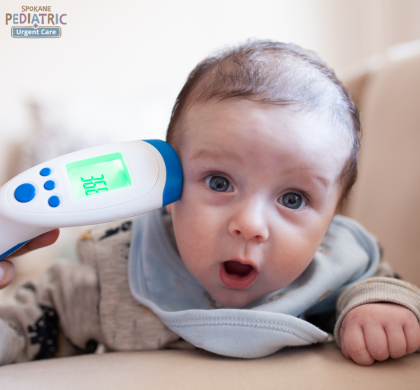
A fever means the body temperature is above normal. Most experts define a fever as 100.4°F (38°C) or higher in children. A mild fever can actually help the body fight germs. Many kids in Greater Spokane get low‑grade fevers during colds, flu, or mild infections.
High‑grade fevers over 102–104°F need more attention. Infants, toddlers, and older kids may need different care. Common symptoms with fever include chills, sweat, tiredness, and poor appetite. Watch how your child behaves, not just the number on the thermometer. If they still play, drink fluids, and respond normally, the fever may be mild.
When a Fever Is Usually Not an Emergency
Some fever symptoms can be managed at home. If your child is older than a few months, drinks well, and stays alert, this is often a good sign. A low‑grade fever under 102°F that improves with acetaminophen or ibuprofen is usually not urgent.
Typical viral illnesses cause mild fever for 1–2 days. Runny nose, cough, and slight fussiness are common. Parents can give plenty of fluids, rest, and over‑the‑counter medicine (if age‑appropriate). If your child still smiles, plays, and urinates normally, you can monitor at home.
If the fever lasts more than 2–3 days or the child worsens, contact a pediatrician in Spokane, WA. Dermatologist or urgent care clinics such as Spokane Pediatric Urgent Care can also help after regular office hours.
Clear Red Flags That Your Child Needs a Doctor
Certain symptoms mean you should call a doctor or urgent care right away. These red flags apply to infants, toddlers, and older kids. Never ignore sudden changes in breathing, behavior, or skin color.
Watch for trouble breathing or rapid breathing. Blue lips, tongue, or nails are also serious. If your child is hard to wake up, very sleepy, or confused, seek help quickly. Stiff neck, severe headache, or light hurting the eyes can suggest meningitis.
Dehydration signs include dry mouth, no tears, fewer wet diapers, or dark urine. Severe belly pain, repeated vomiting, or bloody diarrhea are also warning signs. A rash that does not fade when you press it, or purple spots, may mean a serious infection. Any seizure with fever needs urgent evaluation.
Age‑Specific Warning Signs
The age of your child changes what is “normal” and what is dangerous. Newborns need the most caution. Toddlers and older kids have different rules.
Newborns under 1–2 months
For infants under 2 months, any fever of 100.4°F or higher is an emergency. Call a doctor or visit urgent care immediately. Newborns can get very sick very fast.
Infants 2–12 months
Common red flags include fever over 102°F lasting more than 24 hours, poor feeding, or a rash. If your baby seems very fussy or very tired, call Spokane Pediatric Urgent Care or your pediatrician in Spokane, WA.
Toddlers and older kids
For older children, worry if the fever is above 104°F or lasts more than 3 days. If the fever goes away and then returns, it may signal a secondary infection. Weakness, trouble breathing, or severe pain also mean a visit is needed.
When to Visit Pediatric Urgent Care vs ER
Choosing where to go can be stressful. Pediatric urgent care is often faster and less crowded than the ER. However, some situations need emergency‑room care.
You should visit pediatric urgent care Spokane if:
- The fever has lasted 2–3 days with no clear improvement.
- Your child has a high fever but is alert and drinking.
- They have mild ear pain, sore throat, or a rash that started with the fever.
Go to the ER or call 911 if:
- Your child has trouble breathing, blue lips, or a stiff neck.
- They have a seizure or are very hard to wake up.
- A newborn has a fever with any concerning behavior.
Spokane Pediatric Urgent Care is a kid‑focused option for many families in North Spokane, Northwest Spokane, and Spokane Valley. Its staff understands age‑specific fever rules and can arrange referrals to Mt. Spokane Pediatrics, Northwest Spokane Pediatrics, or the ER if needed.
What to Do at Home While Monitoring Fever
Home care can help while you watch for red flags. Simple steps can keep your child more comfortable.
Encourage your child to drink water, breast milk, formula, or oral rehydration fluids. Dehydration can make fever worse. Dress your child in light clothing and avoid heavy blankets. Use a cool compress on the forehead if they feel okay with it.
You can give acetaminophen or ibuprofen at age‑appropriate doses. Do not give aspirin to children. A lukewarm bath may help if your child feels hot and sweaty. Avoid cold baths or alcohol rubs.
Track the fever with a reliable thermometer and write down the times and temperatures. Note any changes in behavior, rash, or breathing. This log helps Spokane Pediatric Urgent Care or your pediatrician in Spokane, WA make a faster decision.
How Spokane Pediatric Urgent Care Can Help
If you live in North Spokane, Northwest Spokane, or Spokane Valley, Spokane Pediatric Urgent Care is a local resource for worried parents. Its team focuses only on children, so they understand how fevers behave at different ages.
Many families use it for same‑day sick visits. Children come in with fever, cough, ear pain, or rashes and get quick checks. The clinic can perform basic labs and quick tests to rule out serious infections.
Staff explain what the fever might mean and what to do next. If your child needs a higher level of care, they can refer you to the ER or your regular pediatric office. Parents in North Spokane Pediatrics, Mt. Spokane Pediatrics, or NW Pediatrics areas can use it as an after‑hours partner.
If your child’s fever is high, lasts more than a few days, or comes with red‑flag symptoms, Spokane Pediatric Urgent Care is a smart first stop. It is open 7 days a week and accepts walk‑ins for many non‑life‑threatening but urgent cases. Keep the clinic’s website (spokanepediatricuc.com) in your phone for quick access when you need it.
Local Care Options in North Spokane and Greater Spokane
Living in Greater Spokane means you have several strong pediatric options. Knowing where to go can reduce stress during a fever scare.
North Spokane Pediatrics serves families in the Northpointe area and nearby neighborhoods. Parents trust them for regular checkups and urgent sick visits. Mt. Spokane Pediatrics / Mount Spokane Pediatrics Valley offers care for families in and around the North Spokane hills.
Northwest Spokane Pediatrics (NW Pediatrics) and other pediatric urgent care Spokane clinics give faster access when your regular office is closed. Many parents use them for fever, cough, infections, and rashes.
If your child’s fever improves with home care, you can schedule a follow‑up with your usual pediatrician. If symptoms worsen, Spokane Pediatric Urgent Care is a dedicated pediatric option that can help right away.
By understanding red flags, age‑specific rules, and local options, parents in North Spokane and Greater Spokane can act quickly and confidently when their child’s fever needs medical attention.
