
Playing sports helps kids stay active, build confidence, and learn teamwork.
Yet, sports injuries in children are very common across North Spokane and Greater Spokane.
Parents often struggle to decide whether a cut, sprain, or twisted ankle needs a pediatrician, urgent care, or the ER.
Spokane Pediatric Urgent Care in North Spokane offers fast, kid‑friendly care for many of these injuries.
We also work closely with local practices like Northwest Spokane Pediatrics, NW Pediatrics, and NW Pediatric Therapy.
This guide explains when home care is enough and when your child should visit urgent care or the ER.
Why sports injuries in kids are different
Children’s bodies are still growing, which makes sports injuries different from adults’ injuries.
Growth plates in bones are soft and can get damaged more easily during falls or contact.
This means even a “small” bump can sometimes hide a more serious problem.
Young athletes also heal faster than adults, but they often keep playing through pain.
They may not report discomfort clearly, especially during games or practices.
As a result, parents and coaches must watch for even subtle signs of injury.
Common locations for sports injuries in Spokane kids include knees, ankles, wrists, and fingers.
These areas take the brunt of basketball, soccer, baseball, and playground play.
A clear understanding of pediatric sports injuries helps you respond faster and safer.
Common sports injuries in kids in Spokane
Many pediatric sports injuries respond well to simple home care.
Others need assessment by a pediatrician in Spokane, WA or pediatric urgent care.
Recognizing the most common types helps you decide the next step.
Sprains and strains are the most frequent injuries.
They often happen in ankles, knees, and wrists during soccer, basketball, or PE.
Swelling, pain with movement, and mild bruising are typical signs.
Minor fractures or “hairline” breaks may follow a hard fall or collision.
The child may still move the limb, but it hurts to bear weight or use it fully.
Urgent care can quickly check for these with X‑rays and proper support.
Bruises and muscle soreness often appear after intense games or practices.
They usually improve with rest, ice, and gentle stretching over a few days.
Persistent pain or increasing swelling should trigger a same‑day visit.
Cuts and abrasions are common on the field, playground, or in the gym.
Most can be cleaned and treated at home with basic first aid.
Deep cuts, heavy bleeding, or wounds that keep opening may need urgent care stitches.
Finger and toe injuries happen a lot in ball sports and wrestling.
Jamming a finger in basketball or a toe in soccer can cause pain and swelling.
If the joint looks crooked or the child cannot bend it, seek urgent care fast.
When home care is enough
For many minor sports injuries, rest and simple home care are enough.
The RICE method works well for mild sprains and strains.
R stands for rest; I for ice; C for compression; E for elevation.
Ice helps reduce swelling and pain in the first 24–48 hours.
Apply a cold pack wrapped in a cloth, not directly on the skin.
Limit each session to 15–20 minutes at a time.
Compression with a soft bandage can stabilize the area without cutting off circulation.
Elevating the injured limb above heart level also helps reduce swelling.
Over‑the‑counter pain relief can be used if the child is not allergic and the dose is correct.
However, home care should not last more than a couple of days if symptoms do not improve.
If the child still limps, refuses to use the limb, or keeps complaining of pain, urgent care is the next step.
Waiting too long can delay healing and increase the risk of long‑term problems.
Parents should also call their pediatrician Spokane WA if the child has chronic pain or repeat injuries.
Growth‑related issues, overuse, or poor mechanics may need more specialized care.
Spokane Pediatric Urgent Care can help decide whether to see a pediatrician, sports medicine specialist, or pediatric therapist.
Clear signs to visit urgent care for kids in Spokane
Certain injury patterns clearly need urgent care, not just home treatment.
If your child shows any of these signs after a sports injury, bring them to pediatric urgent care in North Spokane.
Visible deformity or suspected fracture is a major red flag.
If a limb looks crooked, severely swollen, or the child cannot bear weight, get help right away.
Even if the child can still move the limb, a fracture may still be present.
Moderate to severe sprains or strains with marked swelling also need evaluation.
Limping, guarding the joint, or refusing to bend the knee or ankle are concerning signs.
Urgent care can check for ligament damage and rule out fractures.
Joint swelling and inability to move normally should not be ignored.
Knee, elbow, shoulder, or wrist swelling after a hard hit can indicate a more serious problem.
Timely assessment helps prevent stiffness and long‑term joint issues.
Cuts that may need stitches include deep wounds, jagged edges, or heavy bleeding.
Playground or field injuries often involve dirt and debris, which increases infection risk.
Pediatric urgent care can clean, numb, and stitch these wounds safely.
Minor head injuries without loss of consciousness still need careful attention.
If the child has a bump on the head, brief dizziness, or confusion after a fall, urgent care can assess concussion risk.
Healthcare providers can give clear guidance on when to return to sports.
Sports‑related overuse injuries that won’t resolve are common in busy young athletes.
Persistent elbow, knee, or shin pain after repeated practices or games should be checked.
Ignoring these pains can lead to stress fractures or growth‑plate injuries.
When it’s an emergency room visit
Some injuries are beyond the scope of urgent care and need the ER.
Recognizing these signs helps you act quickly and safely.
Severe head trauma includes loss of consciousness, repeated vomiting, or seizures.
Slurred speech, extreme drowsiness, or unequal pupils are also emergency signs.
In these cases, call 911 or go directly to the nearest emergency department.
Heavy or uncontrolled bleeding requires urgent medical attention.
If pressure and bandages do not slow the bleeding, do not wait.
The ER can provide blood products, advanced wound care, and surgery if needed.
Bone protruding through the skin indicates an open fracture.
This is a medical emergency and can lead to serious infection.
The child should be taken to the ER immediately, with the limb kept stable.
Severe neck or back pain after a collision is serious.
Any change in walking, feeling, or bladder control after a hit is a red flag.
Do not move the child unnecessarily; wait for emergency responders.
Spokane Pediatric Urgent Care can help triage these situations over the phone.
Our staff can advise whether the injury is urgent care level or needs the ER.
This guidance helps parents avoid unnecessary ER visits and reduces stress.
Why parents in North Spokane choose pediatric urgent care
Many families in North Spokane and Greater Spokane prefer pediatric urgent care over the ER for non‑life‑threatening injuries.
Wait times are shorter, costs are lower, and the environment is more child‑friendly.
Pediatric urgent care focuses on children’s unique needs.
Staff understand how to comfort anxious kids and use age‑appropriate explanations.
They also know how to read small body language cues that adults may miss.
Same‑day appointments or walk‑ins make it easy to fit care around school and sports.
Parents can often bring their child after practice or games without waiting days for a pediatrician.
This helps kids get back to activities faster and with better guidance.
Spokane Pediatric Urgent Care also coordinates care with local pediatricians in Spokane, WA.
After an injury, our team can send notes to your primary pediatrician or refer you to specialists.
This creates a smooth, connected care plan for your child.
Working with practices like Northwest Spokane Pediatrics and NW Pediatrics helps continuity.
If your child needs follow‑up or physical therapy, we can point you to the right local resources.
Northwest Spokane Pediatrics offers therapy services that support sports‑related rehab in children.
What to expect during a visit at Spokane Pediatric Urgent Care
A visit to pediatric urgent care in North Spokane is usually quick and focused.
The goal is to assess your child, relieve pain, and give clear next‑step instructions.
When you arrive, front‑desk staff will ask basic questions and check insurance.
A nurse will take vital signs and ask about the injury and your child’s medical history.
The pediatric clinician will then examine the affected area carefully.
They may ask your child to move the limb, bend the joint, or walk a short distance.
Gentle palpation helps find tender spots and assess range of motion.
If a fracture or serious joint injury is suspected, an X‑ray may be ordered on‑site.
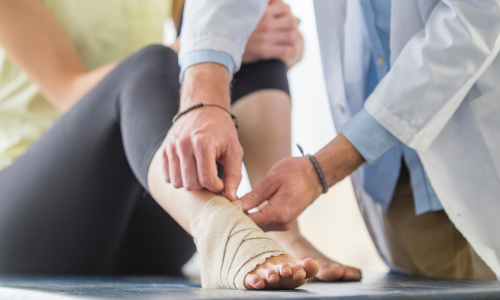
Treatment can include soft splints, slings, or braces for minor fractures or sprains.
We also provide guidance on pain control, activity limits, and when to return to sports.
Parents receive written instructions and can schedule follow‑ups if needed.
Our team can also answer questions about returning to school or sports safely.
Some injuries require rest and gradual reintroduction to activity.
Clear guidance helps prevent re‑injury and supports long‑term recovery.
Local Spokane‑area partners and support services
Beyond urgent care, many local services support injured young athletes.
These partners help with recovery, therapy, and long‑term health.
Northwest Spokane Pediatrics (NWSP) provides primary care for children in the area.
They manage chronic conditions, sports physicals, and follow‑up after injuries.
Parents can bring their child back to their regular pediatrician for continuity.
NW pediatrics also offers NW pediatric therapy services.
These include physical, occupational, and speech therapy for children with developmental or injury‑related needs.
Therapy can improve balance, strength, and coordination after a sports injury.
Pediatricians in Spokane, WA, including those in North Spokane Pediatrics, help with concussion management.
They can monitor symptoms, track progress, and adjust school or sports plans.
Guidance from a pediatrician helps kids heal safely and avoid long‑term issues.
Mount Spokane Pediatrics and Mt Spokane Pediatrics Valley also serve the broader region.
These offices can coordinate with urgent care for complex or recurring injuries.
They may refer children to sports medicine or orthopedic specialists when needed.
Prevention tips for Spokane‑area young athletes
Preventing sports injuries is just as important as treating them.
Simple steps can reduce the risk of sprains, strains, and fractures in local kids.
Pre‑season sports physicals with a pediatrician in Spokane, WA are essential.
They help catch hidden health issues and ensure kids are ready for sports.
Northwest Spokane Pediatrics and other local clinics offer these exams before school sports start.
Warm‑ups, stretching, and cool‑downs should be part of every practice.
Dynamic stretches before activity prepare muscles and joints for movement.
Static stretches afterward help prevent tightness and soreness.
Proper equipment makes a big difference.
Helmets, shin guards, mouthguards, and supportive shoes protect key areas.
Parents should check gear regularly and replace damaged or ill‑fitting items.
Rest and recovery days prevent overuse injuries.
Children who play multiple sports or long seasons need regular breaks.
Ignoring fatigue increases the risk of stress fractures and growth‑plate injuries.
Education and communication are also crucial.
Teach kids to listen to their bodies and speak up when something hurts.
Coaches, parents, and pediatricians should work together to create safe sports environments.
How Spokane Pediatric Urgent Care fits into your family’s care plan
Spokane Pediatric Urgent Care is designed to be your first choice for many sports injuries.
From minor sprains to suspected fractures, we offer fast, pediatric‑focused care in North Spokane.
We understand that parents in Greater Spokane need convenient, reliable options.
Our clinic supports kids and families before, during, and after sports seasons.
We also connect you with local pediatricians and therapy services when longer‑term care is needed.
If your young athlete in North Spokane or Greater Spokane gets hurt on the field, think of Spokane Pediatric Urgent Care.
We are here to help you make smart, safe decisions about when to seek urgent care for sports injuries in kids.
